Roofing Warranties Explained: What Is Actually Covered?
A roofing warranty can help protect your investment, but it rarely covers every leak, repair or weather-related problem. For Sunshine Coast homeowners, the important questions are what is covered, who is responsible and which conditions apply. Coastal salt exposure, heavy rainfall and strong winds make these details especially important.
Before accepting a roofing quote, distinguish between product warranties, workmanship warranties and your rights under Australian consumer law. Each provides a different type of protection.
Manufacturer Warranties: Protection Against Product Defects
A manufacturer’s warranty generally covers specified defects in roofing materials, such as metal sheets, tiles or protective coatings. Depending on the product, coverage may relate to structural performance, corrosion perforation or coating deterioration.
These are not necessarily the same promise. A warranty against corrosion perforation, for example, does not automatically cover surface discolouration, fading or every form of rust. Roofing sheets, fasteners, sealants and accessories may also have separate warranty terms.
A long warranty period does not necessarily mean a free roof replacement. Some warranties supply replacement materials only, exclude installation labour or reduce the available remedy as the product ages. Check whether removal, disposal, scaffolding and reinstatement costs are included.
Workmanship Warranties: Protection Against Installation Problems
A workmanship warranty comes from the roofing contractor and covers installation defects within its stated scope. Depending on the agreement, this may include incorrectly installed flashing, defective fastening or poorly completed roof penetrations.
It does not usually cover unrelated storm damage, blocked gutters or subsequent alterations by another contractor. Ask for the warranty in writing, including its duration, exclusions, claim procedure and the legal name of the business providing it.

A roof leak alone does not identify which warranty applies. The cause needs to be established: defective material, installation error, inadequate maintenance and damage can require different remedies.
Common Roofing Warranty Exclusions
Although terms vary, homeowners should look closely for exclusions involving:
- Severe weather and impact damage: hail, falling branches and storm damage are commonly matters for home insurance, subject to the policy.
- Neglected maintenance: accumulated debris, blocked drainage and failure to follow cleaning requirements can affect coverage.
- Unsuitable coastal exposure: some materials are not warranted in particular marine environments.
- Incompatible materials: unsuitable fasteners, metal combinations or runoff from other materials can cause corrosion.
- Later alterations: solar installations, skylights and other roof penetrations may affect coverage where they cause damage or breach warranty conditions.
Why Sunshine Coast Conditions Matter
Salt exposure varies across the Sunshine Coast. A beachfront property can face different conditions from a sheltered inland home, and distance from the shoreline is not always the only factor manufacturers assess.
Ask your roofer to confirm that the proposed product, coating and fasteners suit your address and exposure conditions. Obtain any site-specific manufacturer approval before installation where required.
Maintenance requirements also matter. Some manufacturers require periodic washing of sheltered areas https://trentontqut466.timeforchangecounselling.com/terracotta-vs-concrete-roof-tiles-which-lasts-longer that rain does not adequately clean. Follow the product’s maintenance guide and arrange professional assistance where roof access is unsafe.
Consumer Rights and Queensland Protections
In 2026, a written roofing warranty sits alongside applicable rights under the Australian Consumer Law. Services must generally be provided with due care and skill, and consumer guarantees cannot simply be excluded by a contractor’s warranty wording. An expired written warranty does not automatically end every possible consumer claim.
Queensland licensing requirements and the Queensland Home Warranty Scheme may also be relevant. Many roofing contracts above $3,300 require an appropriately licensed contractor, while scheme coverage depends on the work, property and applicable eligibility rules. Check the contractor’s licence and confirm any required insurance documentation with the Queensland Building and Construction Commission (QBCC). Home warranty insurance is not a general roof maintenance policy.
What to Check Before Signing
- Request the manufacturer’s warranty and the contractor’s workmanship warranty before paying a deposit.
- Confirm the exact products, coastal suitability and installation requirements.
- Ask whether labour, leak investigation, access equipment and consequential damage are covered.
- Check registration requirements, maintenance obligations and whether coverage transfers when the property is sold.
- Keep the contract, invoices, product details, installation photographs and maintenance records.
How to Handle a Roofing Warranty Claim
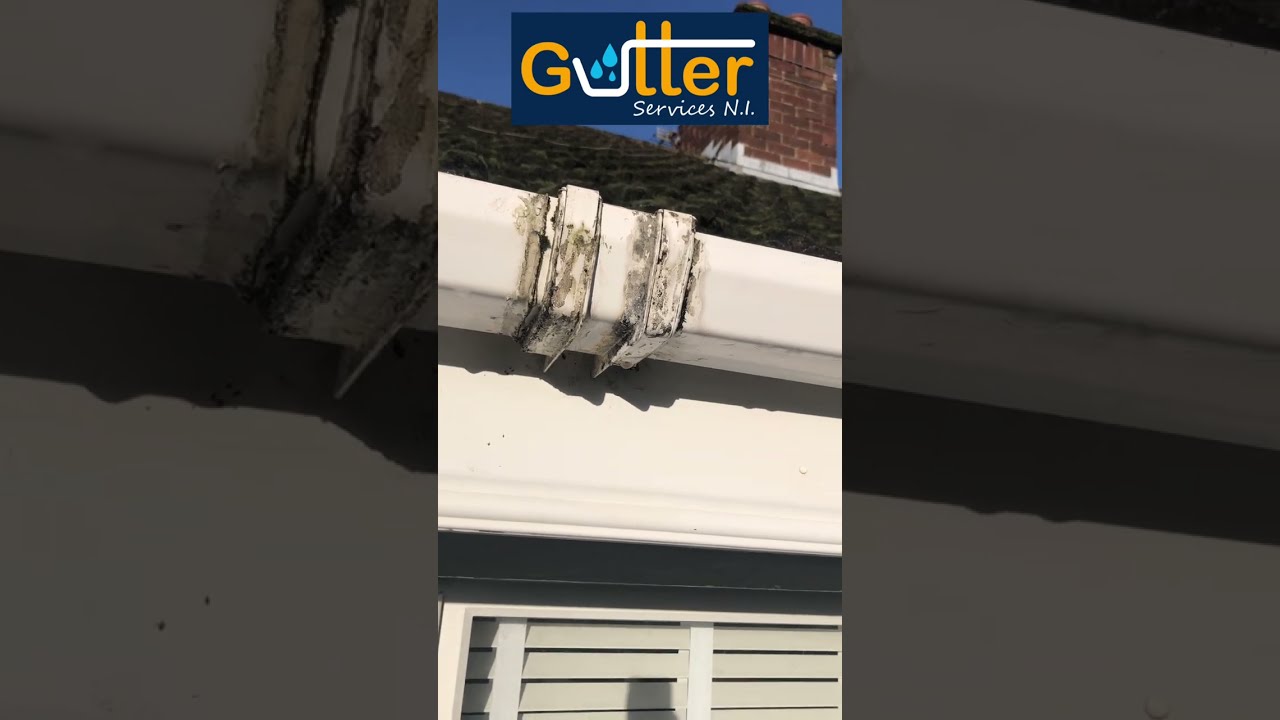
Report a suspected defect promptly in writing and photograph visible damage from a safe location. Take reasonable steps to limit further damage, but avoid unnecessary alterations before an inspection. If emergency repairs are needed, retain photographs, invoices and removed components where practical.
Contact the installer for suspected workmanship problems and follow the manufacturer’s claim process for suspected product defects. Notify your insurer where storm damage may be involved. If the issue remains unresolved, seek QBCC guidance promptly because complaint, insurance and legal time limits can differ.
The best roofing warranty is one you understand before installation, supported by suitable materials, compliant workmanship and documented maintenance.
Sunshine Coast Roof Restoration & Repair
Unit 8/13 Newspaper Pl, Maroochydore QLD 4558
(07) 4145 4576